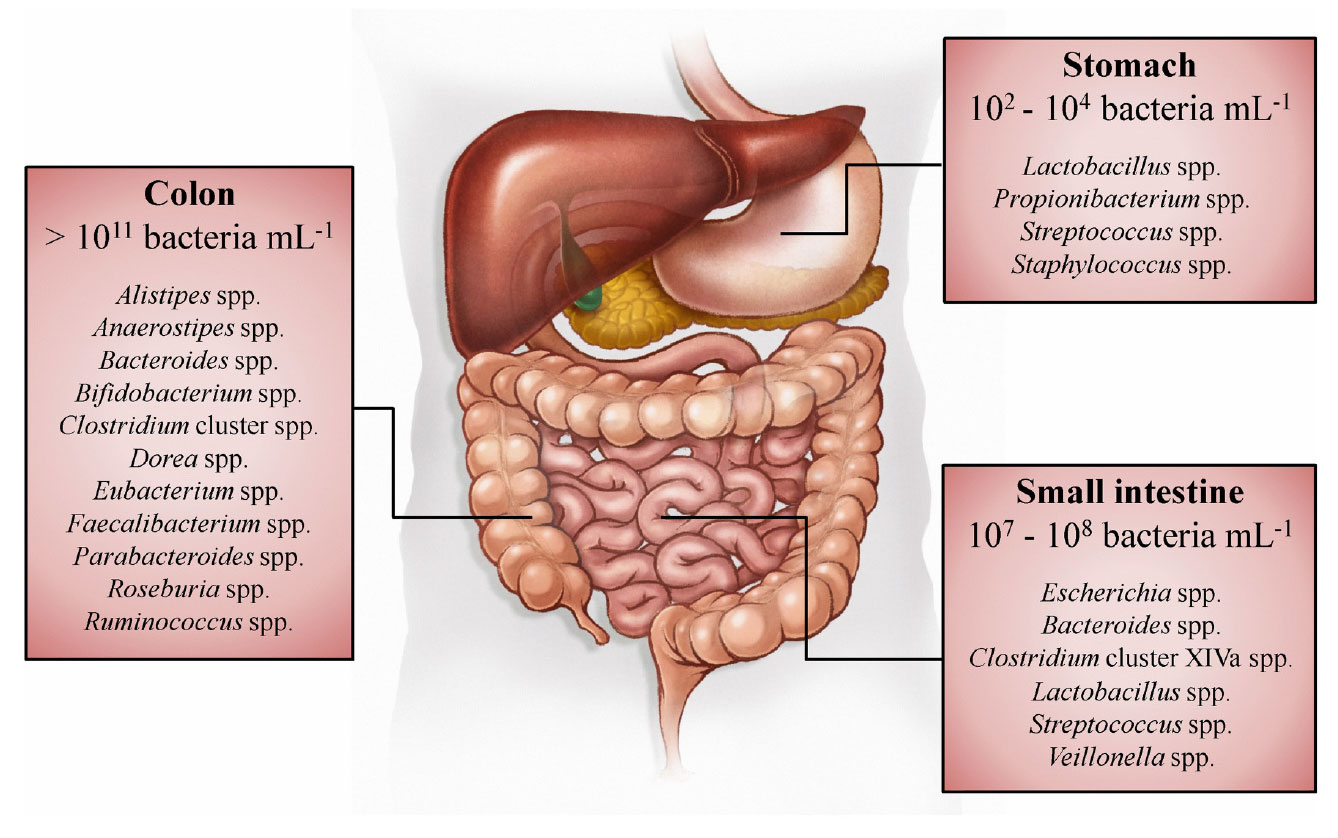
Spatial distribution and concentrations of bacteria along the gastrointestinal tract of humans
Audrey Rivière, Marija Selak, D,
February 27, 2020
Humans are a unique reservoir of heterogeneous and vivacious group of microbes, whichtogether forms the human-microbiome superorganism. Human gut serves as a home toover 100e1000 microbial species, which primarily modulate the host internal environmentan
Rout George Kerrya, Jayanta Kuma,
January 30, 2020
Koichiro Wada,
January 30, 2020
The composition of the gut microbiome changes with host’s age. According to the existing notion, our embryo is sterile; however, presence of microbes in semen, placenta, amniotic fluid, umbilical cord blood, and meconium contests this hypothesis and suggests colonization of the fetus in utero. The mode of delivery and the choice of diet (breast milk or formula milk) after birth influence the colonization process in the newborn. With age, introduction to solid food brings in additional complexity to the immature, less complex microbiome.
Parag Kundu,
October 25, 2019
Divya Ramaswamy ,
October 17, 2019
Kaia Roman,
August 29, 2019
Jamie Eske,
August 29, 2019
Seema Prasad,
August 29, 2019
////////////////////////////////////////////////////////////////////////////////////////////////////
Dave Osborn,
August 27, 2019
Custom Probitoics
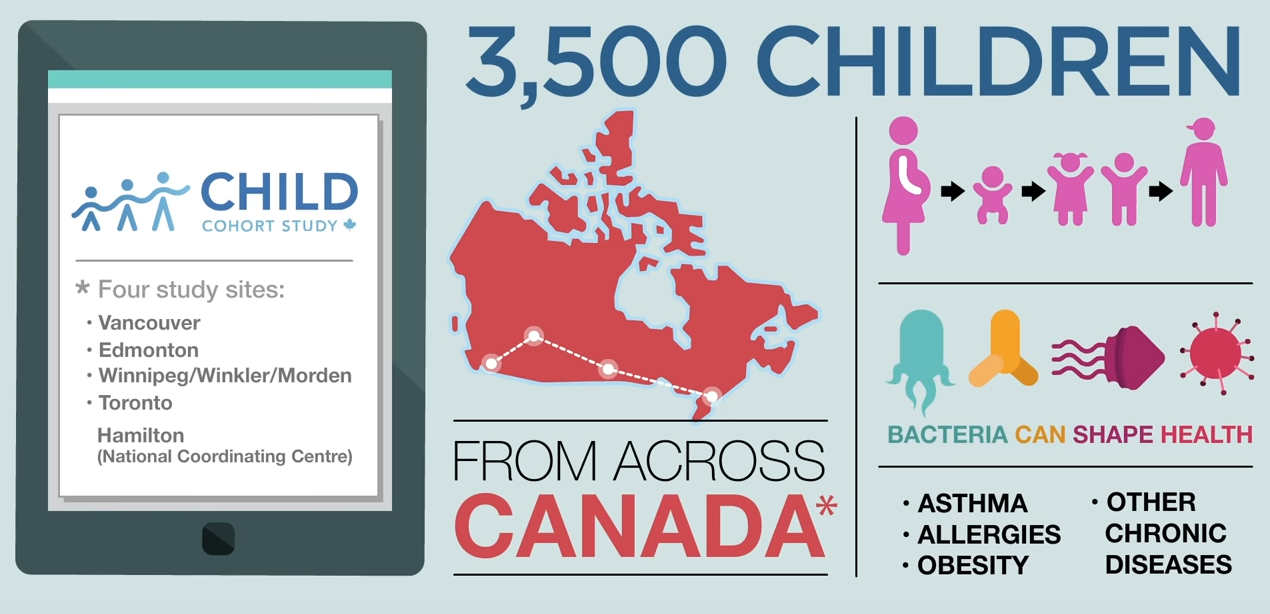
This interesting video presentation shows how the composition of a baby’s gut bacteria influence childhood health.
Harry Bronozian,
August 15, 2019